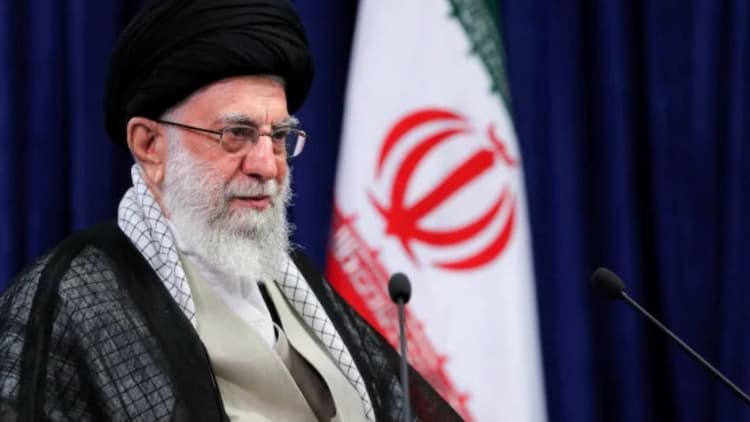
The world awoke to the shocking news of Ayatollah Ali Khamenei ‘s death , an event that made headlines across the globe. A profound silence followed the passing of Iran’s supreme leader at the age of eighty-six. Decades built around a single figure now face upheaval. Rising tensions in the region form the backdrop. His absence, felt slowly at first, stems from years marked by absolute power. The future will tell how far the repercussions will go. Such moments do not occur suddenly; they are rooted in a long process.
Throughout all these years, he has shaped Iran’s politics, society, and foreign relations.
Death of Ayatollah Ali Khamenei
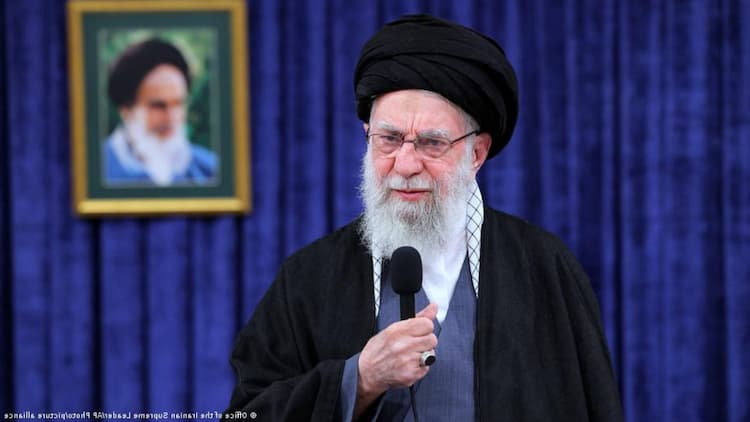
Born in 1939, his life began peacefully. Very quickly, Ayatollah Ali Khamenei found himself at the heart of the Iranian Islamic Revolution. He followed in the footsteps of Ruhollah Khomeini, advancing cautiously, while Khomeini embodied the voice of the nation. A man of faith above all, then an organizer, his journey continued… In 1981, he became president. He was chosen by the Assembly of Experts.
Shortly afterwards, he became Supreme Leader.
Although he was not initially the frontrunner, he accepted the position thanks to the support of key political figures who preferred Ali Akbar Hashemi Rafsanjani. From the outset, Khamenei presented himself as a hardliner, determined to preserve the core values of the Islamic Republic and resist Western influence.
A hardliner his entire life. Throughout his reign,
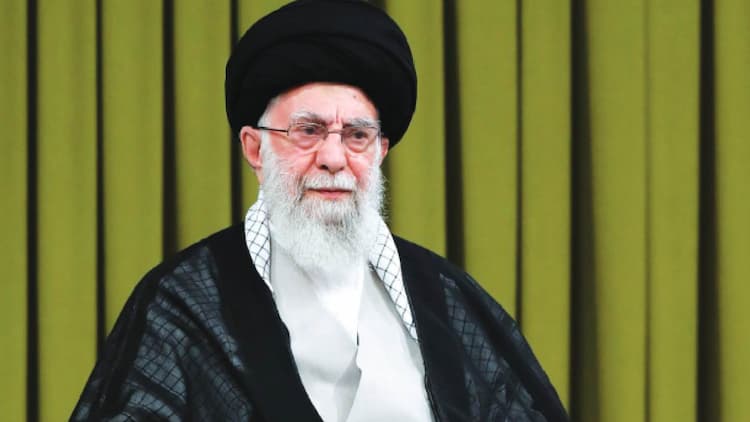
Khamenei is known for his intransigence. He has governed under six different presidents, embodying a balance between moderate and conservative leadership, but with consistent support for hardline policies. He has entered into negotiations with the United States; his decisions have been described as “neither wise, nor intelligent, nor honorable.” Domestically, Khamenei has faced multiple waves of protest. From the student demonstrations of 1999 to the mass protests of 2009 against the disputed elections, and the recent “Woman, Life, Freedom” movement, each challenge has been met with fierce repression. Ayatollah Ali Khamenei predicted that these protests were the result of Western interference, with security forces often being used to suppress dissent. His life has not been without risk. In 1981, he survived a brutal assassination attempt: a bomb hidden in a tape recorder exploded. While recovering from the explosion during prayer, he suffered further permanent injuries, including partial paralysis of his right arm. This first near-death experience made him cautious. So far, he has demonstrated great resilience in his governance of the country.
Iran leader’s death sparks global shock and fears of large-scale war in 2026
His tenure was also marked by the management of complex international relations. Avoiding international travel for security reasons, he maintained strict control over Iranian foreign policy, particularly in its relations with Western nations and regional rivals.
Death of Ayatollah Ali Khamenei Obituary
His loyalists praised his unwavering stance and his steadfastness in defending Iran’s independence for decades. Others, however, saw things differently: power too tightly concentrated, an opposition silenced, unrest fueled beyond its borders. While some mourned his passing, others focused on the control, repression, and wars orchestrated by his influence. What shapes Iran’s destiny? His influence extends beyond government affairs. He wielded tight control. The nuclear program unfolded under his watch. Military interventions abroad bear his imprint. Changes within society are marked by his actions. The course of the country has been altered by them.
Its strict directives are often respected. Iran, unlike the United States, Israel, and other world powers, has faced geopolitical tensions in the Middle East for decades.
Public reactions and mourning
Upon the announcement of Ayatollah Ali Khamenei ‘s death , the population reacted strongly. Messages flooded the internet, filling screens with sadness and memories. On television channels, voices rose; among them, that of Farrhana Bhatt, a gentle voice from the studios illuminated by cameras: “His place remains within us,” meaning something precious, invisible, but deeply felt.
“Our hearts.” Such statements bear witness to this. The deep emotional bond that united many Iranians and sympathizers around the world with Khamenei was unbreakable.
Meanwhile, Iranian state media confirmed his death, as airstrikes continued in the region. Khamenei is no more. Amid already heightened tensions, questions are becoming increasingly urgent about Iran’s future and the upheavals the region might experience. One final point: the announcement of Ayatollah Ali Khamenei ‘s death is not just news. It revives memories of forty years of complex transformations in Iran. His career was marked by shifts in position, firm control, periods of silent waiting, and then sudden, decisive actions.
His ideological convictions.
Iran is in the midst of a transition: the whole world will be watching closely who succeeds him and how. The nation is building its political and social future while debating its legacy. There is no doubt that Ayatollah Ali Khamenei ‘s influence on Iran and the region will be felt for generations to come.

Leave a Comment