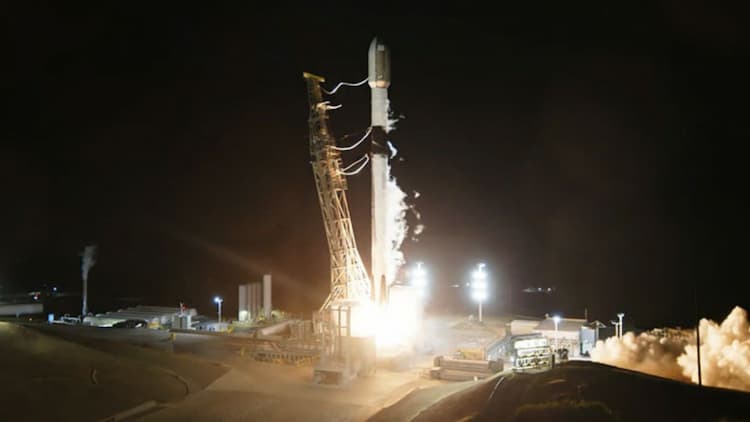
Space travel has always fascinated humanity. The idea of leaving Earth and exploring the cosmos is no longer just a dream. Thanks to SpaceX , under Elon Musk’s leadership, repeated and reliable space missions are becoming a reality. Every SpaceX launch represents a technological, innovative, and ambitious leap forward.
What distinguishes a SpaceX launch? Unlike traditional rocket companies, SpaceX focuses on innovation, efficiency, and cost-effectiveness. Take the Falcon 9 rocket, one of the most widely used launch vehicles: its rear section is detachable and reusable. This allows for multiple missions. This reusability significantly reduces the cost per launch and enables a higher flight frequency.
Key characteristics of a SpaceX launch:
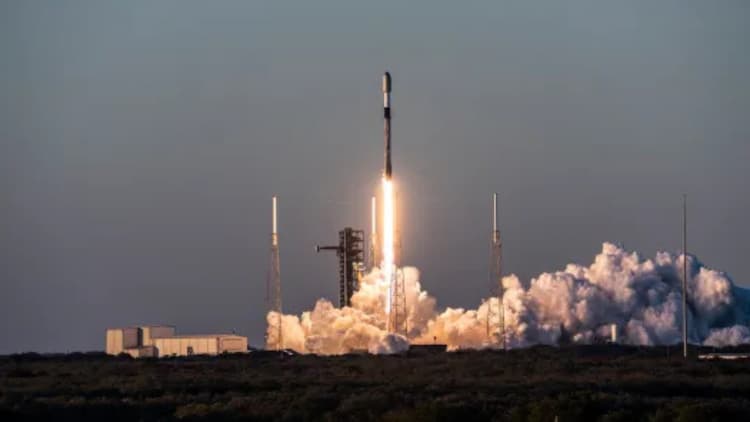
Reusable rockets: reducing costs and environmental impact.
Rapid launch rate: several missions possible each month.
Advanced engines: Raptor and Merlin engines offer unmatched thrust and reliability.
These elements make each launch an event that has followed millions of people around the world, from Cape Canaveral in Florida to Starbase in Texas, thanks to SpaceX launches . A spectacular display, combining technical precision and pure excitement.
Recent highlights:
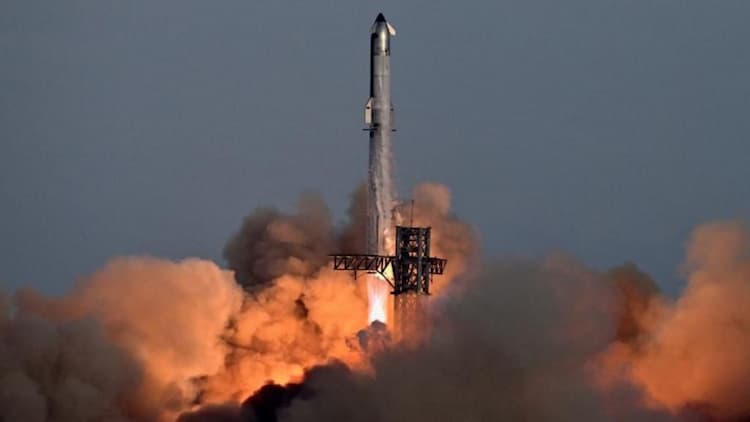
Falcon 9 and Starlink One: The deployment of Starlink satellites is undoubtedly SpaceX’s most remarkable achievement. In March 2026, a new Falcon 9 rocket successfully placed 29 satellites into orbit, thus expanding the global internet network . This mission demonstrates SpaceX’s commitment: not only to explore space, but also to deliver tangible benefits to Earth.
Mindy Kaling SAG Award: Shock provokes wild reactions 2026
The reliability and frequency of Falcon 9 launches give SpaceX an undeniable competitive advantage. In 2025 alone, the company conducted 166 Falcon 9 launches, roughly one every two to three days. This illustrates unprecedented speed and the company’s growing dominance in the private spaceflight sector.
Starship V3: A new era of exploration. While the Falcon 9 has proven itself,
SpaceX is now pushing the boundaries with the Starship V3 rocket. The company is planning its first attempt at achieving orbit. In March 2026, SpaceX will accomplish much more than a simple test. It’s possible. The first bold step is to make the establishment of human colonies on the Moon and Mars possible.
Starship V3 incorporates several improvements: Raptor 3 engines offering almost twice the thrust of previous versions.
A larger and more robust structure, capable of transporting more than 100 tonnes into low Earth orbit.
Improved thermal shields for optimal atmospheric reentry.
This new design resolves problems encountered during previous missions, including heat shield failures during atmospheric reentry. Engineers analyzed each past failure to improve safety and performance.
Challenges and successes:
SpaceX ‘s journey has not been without its challenges. Previous missions, such as flights 7 and 8, faced technical difficulties, including engine failures and structural problems. However, these obstacles provided valuable lessons and strengthened future launches.
Another challenge is obtaining approval from the authorities.
This represents a fivefold increase compared to previous limits. This allows for more frequent testing and development, a crucial step for ambitious projects that prioritize lunar and Martian missions.
Why every SpaceX launch matters: For every SpaceX launch , I bring a broader perspective. Beyond satellites and cargo, these missions are tests conducted with cutting-edge technology for interplanetary travel.
To demonstrate the reusability of rockets in order to reduce costs.
Space filling test techniques are essential for lunar and Martian missions.
The Moon depends on Starship’s capabilities. The success of these launches will validate SpaceX ‘s approach and help realize one of humanity’s oldest dreams: to live on another planet.
The pace of innovation at SpaceX: The company is working at a remarkable pace.
By 2026, it had already completed 26 Falcon 9 missions. Every SpaceX launch creates experience, collects data, and improves technology. This rapid approach is important because the company isn’t just launching a rocket; it’s laying the foundations for the future spacefaring civilization. The future awaits us.
The Moon and Mars.
The launch of Starship V3 could mark a turning point. If successful, SpaceX will focus on establishing a lunar base within the next decade, given Mars’ proximity. However, Mars remains the ultimate goal. More cutting-edge technology and the means to transport massive payloads are needed. Elon Musk’s vision is clear: these launches are not just about science; they aim to make humanity a multi-planetary species. Every mission, whether it’s a Falcon 9 satellite launch or a Starship V3 test, brings this ambitious dream closer to reality. In short: A SpaceX launch is much more than just a rocket liftoff. It symbolizes innovation, risk-taking, and another step toward space exploration. From routine Falcon 9 satellite missions to groundbreaking Starship V3 orbital attempts, every launch is a testament to human ingenuity. Whether you’re a space enthusiast or simply curious, attend a SpaceX launch. Witness the future of space exploration.
Leave a Comment